What Makes Project SAFFAL Different: Rethinking Climate Startup Support in South Asia

Shaurya
May 12, 2026
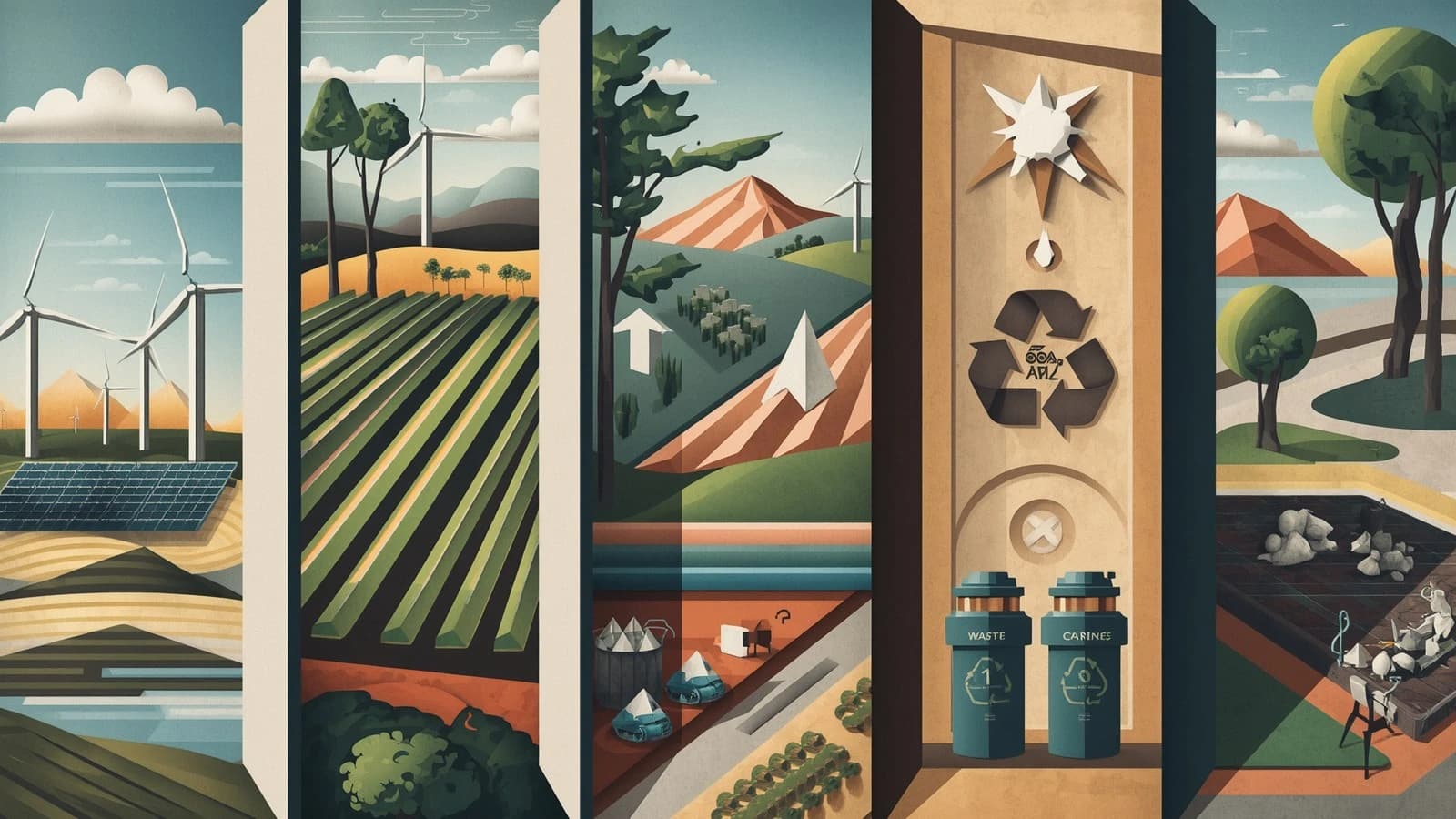
South Asia sits at the frontlines of the climate crisis and increasingly, at the frontier of climate innovation. From clean energy and sustainable agriculture to circular economy solutions, a new generation of climate enterprises is emerging to solve some of the region’s most urgent challenges.
Yet, building a climate startup in South Asia is not just about innovation. It is about navigating fragmented ecosystems, limited early-stage capital, and structural barriers – especially for women founders.
This is where Project SAFFAL takes a fundamentally different approach.
The Problem with “Traditional” Startup Support
Over the last decade, accelerators and incubators have become a cornerstone of startup ecosystems globally. In South Asia too, climate accelerator programs have expanded significantly, supporting thousands of climate enterprises across stages and sectors.
However, most programs still fall short in addressing three critical gaps:
a. Fragmented Ecosystem Support: Climate startups often need more than business advice; they require access to:
- Technical validation
- Policy understanding
- Market linkages
- Climate-specific capital
Yet, support systems remain siloed, forcing founders to navigate multiple disconnected platforms.
b. The Investment Readiness Gap: Many accelerators focus on ideation or early traction but stop short of preparing founders for real capital. This leaves startups in a “missing middle” between climate innovation and climate investment.
c. Structural Barriers for Women Founders: The gender gap in startup funding is stark. In India, for every ₹100 raised, only about ₹4 goes to women-led startups. Beyond funding, women founders face:
- Limited access to networks and mentorship
- Socio-cultural constraints
- Lower exposure to investor ecosystems
The result? High-potential climate solutions struggle to scale, not due to lack of innovation, but due to lack of the right kind of support.
Enter Project SAFFAL: A Different Kind of Intervention
Project SAFFAL is designed not as just another climate accelerator, but as a targeted ecosystem intervention for women-led climate enterprises in South Asia.
Its differentiation lies in how it rethinks three key dimensions:
a. From “Programs” to Pipeline Building
Most accelerators operate as standalone cohorts. Project SAFFAL is designed to build a pipeline of investment-ready climate startups. This means:
- Supporting founders not just during the program, but preparing them for what comes after
- Aligning mentorship, validation, and capital readiness from day one
- Creating continuity between early-stage support and investor engagement
This pipeline approach directly addresses one of the biggest gaps in the region: the lack of consistent, investable deal flow in climate.
b. Climate-First, Not Startup-First
Traditional accelerators are often sector-agnostic, with climate as just one of many themes. Project SAFFAL flips this model. It is climate-first by design, which means:
- Deep focus on climate use-cases and sectoral nuances
- Mentorship tailored to climate business models (not generic startup advice)
- Alignment with regional climate priorities and impact pathways
This matters because climate startups operate differently: longer gestation periods, higher capital intensity, and strong dependence on policy and infrastructure.
A generic startup playbook simply does not work here.
c. A Gender-Lens That Goes Beyond Inclusion
Many programs today include women founders. Project SAFFAL is built for them. This is a critical distinction. Rather than treating gender as a diversity metric, Project SAFFAL integrates it into program design:
- Tailored mentorship and confidence-building
- Safe, peer-driven learning environments
- Focus on overcoming systemic barriers to funding and growth
This is especially important in a region where women-led climate enterprises remain underrepresented and underfunded despite strong performance potential.
d. Ecosystem-Led, Not Cohort-Led
Project SAFFAL recognises a key truth: startups don’t scale in isolation, ecosystems do. Instead of operating as a closed cohort, the program actively brings together:
- Mentors (operators, investors, domain experts)
- Ecosystem partners (technology, policy, finance)
- Global and regional networks
This aligns with a broader shift in climate innovation where success depends on collaboration across sectors, not just individual startup growth.
e. Investment Readiness as the Core Outcome
Perhaps the most defining feature of Project SAFFAL is its focus on investment readiness. Unlike programs that prioritise demos or pitch days, Project SAFFAL emphasises:
- Business model validation
- Financial and unit economics clarity
- Investor communication and positioning
- Understanding of climate capital (grants, blended finance, equity)
This ensures that founders don’t just build startups; they build fundable, scalable climate ventures.
Why This Matters Now
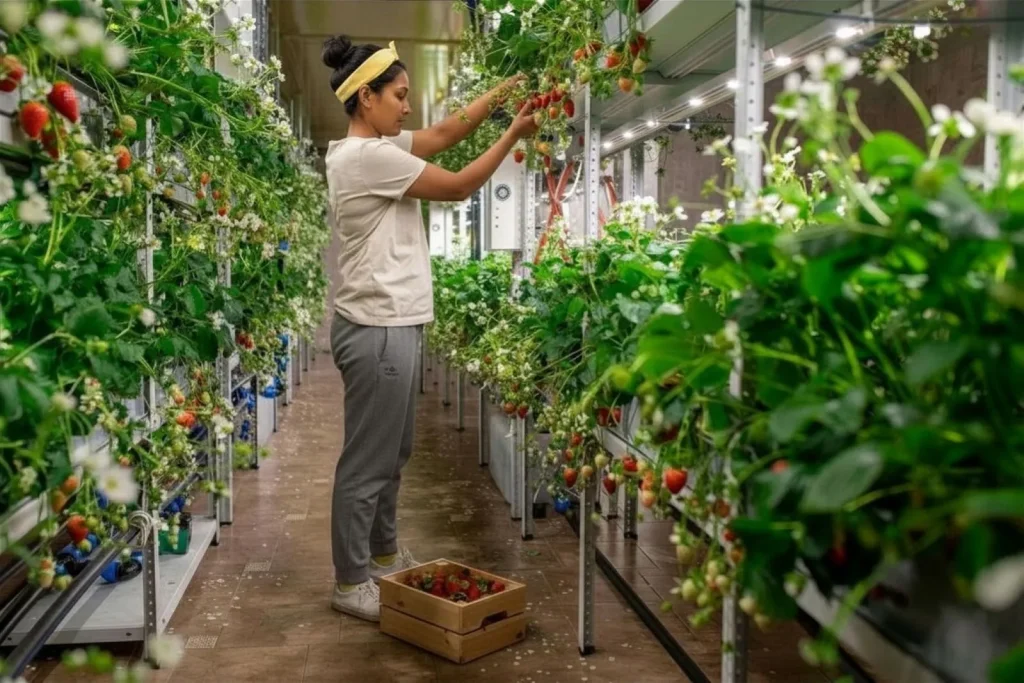
The urgency of climate action is accelerating. At the same time, there is growing recognition that solutions must come from regions most affected by climate change. South Asia represents both:
- A high-risk climate geography
- A high-potential innovation ecosystem
But this dual reality also creates a critical challenge. While the need for climate solutions is immediate and growing, the systems required to support and scale these solutions are still evolving.
Across the region, a new generation of founders is building in sectors like clean energy, sustainable agriculture, and circular economy. Yet many of these startups struggle to move from early promise to scalable impact, often due to limited access to capital, fragmented support systems, and lack of investment readiness.
Unlocking South Asia’s climate innovation potential, therefore, is not just about fostering ideas; it is about enabling founders to build viable, fundable, and scalable businesses.
This requires rethinking how we support entrepreneurs, especially those who have historically been excluded from capital and networks. Without more intentional, ecosystem-driven interventions, there is a real risk that high-potential solutions will remain underdeveloped – at a time when the region can least afford it.
Beyond Acceleration: Building the Future of Climate Innovation
Project SAFFAL is not just responding to gaps in the ecosystem; it is attempting to redesign how climate entrepreneurship is supported in South Asia. By combining:
- A climate-first lens
- A gender-intentional approach
- A pipeline-to-capital model
- And an ecosystem-driven structure
Project SAFFAL represents a shift from startup support to system-building.
This shift is critical. Because the challenge is not just to help a few startups succeed, but to enable a steady pipeline of climate ventures that can attract capital, scale sustainably, and deliver real-world impact.
In doing so, Project SAFFAL contributes to building stronger linkages between founders, funders, and enablers – helping move the ecosystem from fragmented efforts to more coordinated action.
Over time, such an approach has the potential to do more than support individual ventures. It can help shape a more inclusive, resilient, and investable climate innovation landscape in the region. And in a context where both the risks and opportunities are immense, that is the kind of long-term thinking the ecosystem needs.
Join SAFFAL
The Climate Finance Catalyst for South Asia
Apply as an Impact Philanthropist, Donor, Startup, SME, Climate Expert, or Institution. Mobilize climate capital into the right sectors.