The Climate Finance Gap in South Asia and the Case for Women-Led Innovation

Shaurya
May 10, 2026
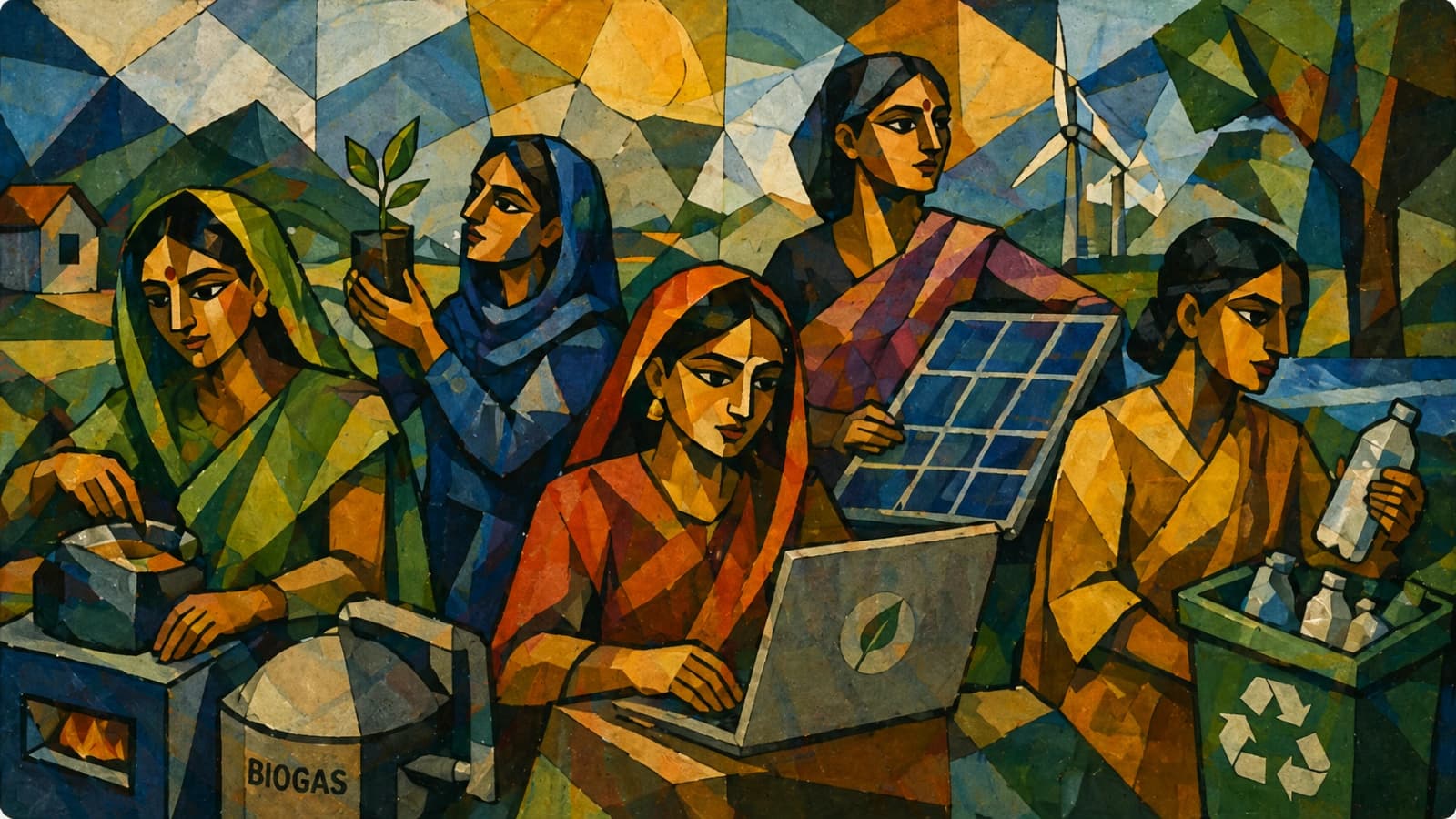
Across South Asia, climate change is no longer a distant risk; it is an immediate and growing economic and social challenge. Nearly 800 million people in the region live in climate hotspots, where rising temperatures, floods, and water stress are already affecting livelihoods and productivity.
At the same time, the region is witnessing a surge in entrepreneurial activity. Startups across South Asia are developing solutions in clean energy, sustainable agriculture, waste management, and other low-carbon sectors. These innovations have the potential to drive both climate resilience and economic growth at scale.
However, a critical constraint continues to limit this potential: access to capital.
South Asia will require over USD 3.4 trillion in climate investment by 2030, yet current financing flows remain far below what is needed. Early- and growth-stage climate enterprises, especially small and medium businesses, often struggle to secure funding due to perceived risks, limited collateral, and lack of investor readiness.
The Missing Piece: Women-Led Climate Enterprises
Within this broader financing gap lies a deeper structural imbalance.
Women entrepreneurs are significantly underrepresented in climate finance. Globally, female-only founding teams in climate tech receive just about 1.1% of total funding and around 5.3% of deals, reflecting a persistent gender gap in investment flows. In India, the disparity is equally stark, with women founders receiving only about ₹4 for every ₹100 invested in startups.
Yet, women-led enterprises are uniquely positioned to drive climate solutions that are locally relevant and socially inclusive. Many operate at the intersection of climate and community – addressing energy access, agricultural resilience, and waste systems at the grassroots level.
This makes them not just beneficiaries of capital, but critical enablers of climate action.
However, momentum is beginning to build. Investment in climate ventures with at least one female founder has grown from under USD 1 billion in 2014 to over USD 3 billion in 2022, indicating both rising recognition and untapped opportunity.
Women-led climate enterprises are not merely part of an inclusion agenda – they represent one of South Asia’s most undercapitalized climate opportunities.
Rethinking Climate Finance for South Asia
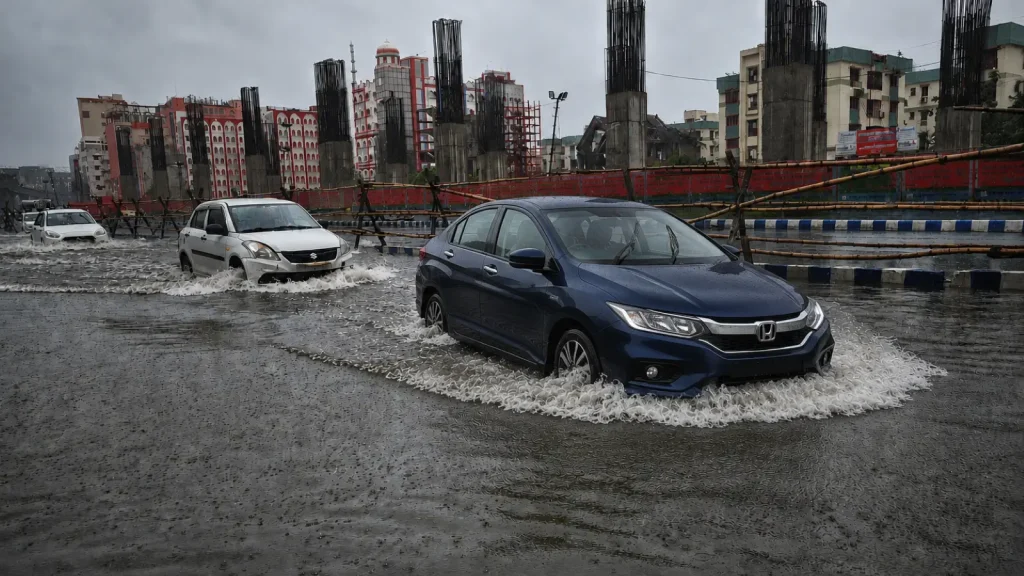
Closing the climate finance gap in South Asia will require more than simply increasing the volume of capital; it will require a fundamental shift in how capital is structured, deployed, and accessed.
Today, much of climate finance is concentrated in large-scale infrastructure projects or later-stage investments, leaving early- and growth-stage enterprises underserved. Yet it is precisely these smaller, innovative businesses that are developing context-specific solutions tailored to local challenges.
Several systemic barriers continue to limit capital flow to these enterprises:
- A limited pipeline of investment-ready climate businesses, particularly at early stages
- Gaps in financial literacy, governance, and business structuring, which reduce investor confidence
- A disconnect between entrepreneurs and capital providers, especially across geographies
- Persistent risk perceptions, particularly around first-time founders and women-led enterprises
In addition, traditional financing models often fail to account for the dual nature of climate ventures, where financial returns are closely tied to environmental and social outcomes. This makes it difficult for many enterprises to fit into conventional investment frameworks.
Addressing these challenges requires a more integrated approach; one that combines capacity building with capital access and aligns different forms of financing across the enterprise lifecycle.
Blended finance, in particular, offers a promising pathway. By using catalytic or philanthropic capital to de-risk investments, it can help crowd in private capital and expand the pool of investable opportunities. At the same time, strengthening the ecosystem through mentorship, market linkages, and investor engagement is essential to ensure that enterprises are not only funded, but also set up for long-term success.
Ultimately, rethinking climate finance in South Asia means shifting from isolated funding interventions to building a pipeline, an ecosystem, and a financing continuum – one that enables climate innovation to scale sustainably and inclusively.
Introducing a New Approach
This is the context in which Project SAFFAL (South Asia Finance Facility for Acceleration and Leverage) has been conceptualized.
Rather than addressing isolated parts of the problem, SAFFAL is designed as a holistic, ecosystem-driven platform – one that simultaneously strengthens enterprises and unlocks capital.
At its core, the approach recognizes that improving access to finance is not just about increasing supply, but about building the conditions that enable capital to flow effectively. This includes:
- Preparing startups to become investment-ready
- Fostering stronger connections between entrepreneurs and investors
- Structuring financial instruments that can accommodate both impact and returns
- Building collaborative ecosystem partnerships across South Asia
Project SAFFAL brings these elements together through a combination of capacity building, investor engagement, and innovative financing mechanisms.
By aligning these components, the initiative aims to create a more reliable pipeline of investable women-led climate enterprises, while also reducing friction for investors looking to deploy capital in the sector.
In doing so, SAFFAL represents a shift from fragmented interventions to a more coordinated model – one that is designed not just to fund individual businesses, but to strengthen the broader climate finance ecosystem in South Asia.
Project SAFFAL (South Asia Finance Facility for Acceleration and Leverage) — the climate accelerator program – is being led by Massive Earth Foundation (MEF) and implemented in partnership with UN Environment Programme (UNEP) and UN Women.
The initiative reflects a growing recognition that climate innovation in South Asia requires collaborative, cross-sector approaches that combine entrepreneurship, ecosystem support, and catalytic finance.
How does Project SAFFAL work in practice?
In the next article, we take a closer look at how SAFFAL is supporting startups through capacity building, acceleration, investor readiness, and access to catalytic capital.
Join SAFFAL
The Climate Finance Catalyst for South Asia
Apply as an Impact Philanthropist, Donor, Startup, SME, Climate Expert, or Institution. Mobilize climate capital into the right sectors.